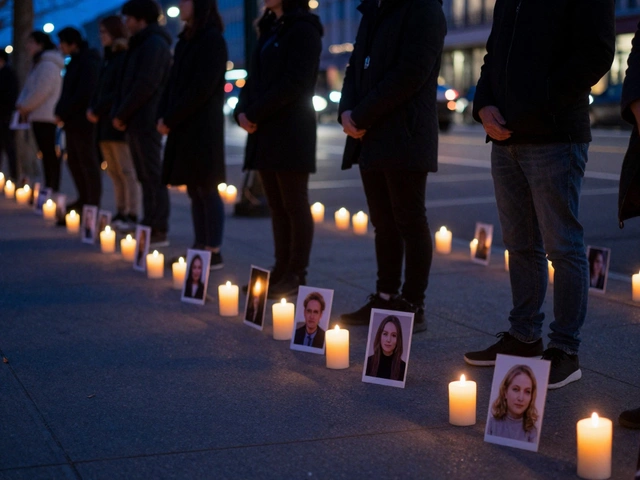
Every December 17, people around the world light candles, hold vigils, and speak names out loud - not to mourn the dead in silence, but to demand justice for those who were killed because they sold sex. These are not faceless statistics. They are mothers, sisters, daughters, and friends. They were people who survived homelessness, abuse, addiction, and trafficking - only to be murdered on the streets, in motels, or in back alleys because society decided their lives didn’t matter. This is the reality behind the International Day to End Violence Against Sex Workers.
Some people still believe sex work is a choice made in moral failure. Others think it’s a crime that should be erased. But those who’ve lived it know better. In cities like Bangkok, Mexico City, or even right here in Austin, sex workers are often the first to report violence, the last to get police help, and the easiest to ignore when they disappear. A few years ago, a woman in Dubai was found dead near a highway rest stop. Her body was left for days. No one came forward. No one was charged. That’s the kind of silence this day fights against. If you’re looking for companionship in places like Dubai, you might stumble across a site offering hook up dubai services - but behind every ad, every profile, every transaction, there’s a human being trying to survive.
Who Are the Old Pros?
The term "old pros" isn’t slang for seasoned performers. It’s a quiet tribute to the women - and some men and nonbinary people - who’ve survived decades of stigma, criminalization, and brutality. Many started as teenagers. Some were trafficked. Others were pushed into survival sex after losing housing, jobs, or custody of their children. They didn’t choose this life because they wanted to be glamorous or wealthy. They chose it because it was the only way to eat, pay rent, or keep their kids fed.
These are the people who’ve seen three decades of "crackdowns," "rescue missions," and "anti-prostitution" laws that never helped them - only made them more vulnerable. When police raid an area, sex workers don’t get shelter or support. They get arrested. Their clients disappear. Their networks break. And when they’re pushed underground, the violence gets worse.
Violence Isn’t Random - It’s Systemic
Between 2003 and 2020, over 1,400 sex workers were murdered in the U.S. alone. That’s not counting the thousands more in Latin America, Eastern Europe, and Southeast Asia. In Canada, after the 2013 passage of laws that criminalized clients and advertising, sex worker deaths jumped 30%. Why? Because when you make it illegal to screen clients, to work together, or to use security measures, you remove the tools that keep people alive.
Most of these murders happen at the hands of men who think they can get away with it. And they do - because police rarely investigate. Prosecutors rarely charge. Judges rarely punish. In 2021, a man in Atlanta killed three sex workers over six months. He was arrested after the fourth victim’s body was found. But he’d been reported to police multiple times before. No one acted.
Meanwhile, the same people who call sex workers "dangerous" are the ones who pay for sex - then disappear when things go wrong. They don’t show up at funerals. They don’t testify in court. They don’t demand justice. They just move on to the next ad.
The Myth of the "Prostitute in Dubai"
There’s a myth that places like Dubai are safe havens for sex work - that if you’re a "prostitute in Dubai," you’re living in luxury, driving a BMW, and working in a high-rise apartment. That’s not true. In Dubai, sex work is illegal. Anyone caught can be jailed, deported, or worse. Women from the Philippines, Ukraine, and Nigeria are lured with fake job offers - then forced into sex work under threat of violence or arrest. They don’t have visas. They don’t have lawyers. They don’t have anyone to call.
Some websites try to sell the fantasy of a dubai prostitute as glamorous. But real stories tell a different truth: women sleeping in cars, hiding from police, paying off debts to traffickers, afraid to go to hospitals because they’ll be turned in. The people who profit from these myths aren’t the workers - they’re the brokers, the pimps, the website owners, and the clients who never think twice about the person behind the screen.
What Actually Helps?
Decriminalization isn’t about legalizing brothels or turning cities into red-light districts. It’s about removing criminal penalties for selling sex, buying sex, and organizing work together. When sex work is decriminalized - like in New Zealand since 2003 - violence drops. Workers report more safety. Police stop harassing them. Health services become accessible.
Organizations like the Global Network of Sex Work Projects and the Sex Workers Outreach Project have shown that when sex workers are involved in policy-making, outcomes improve. In Canada, after sex workers led protests against harmful laws, courts struck them down. In the U.S., cities like San Francisco now fund peer-led outreach programs where workers train others on safety, HIV prevention, and legal rights.
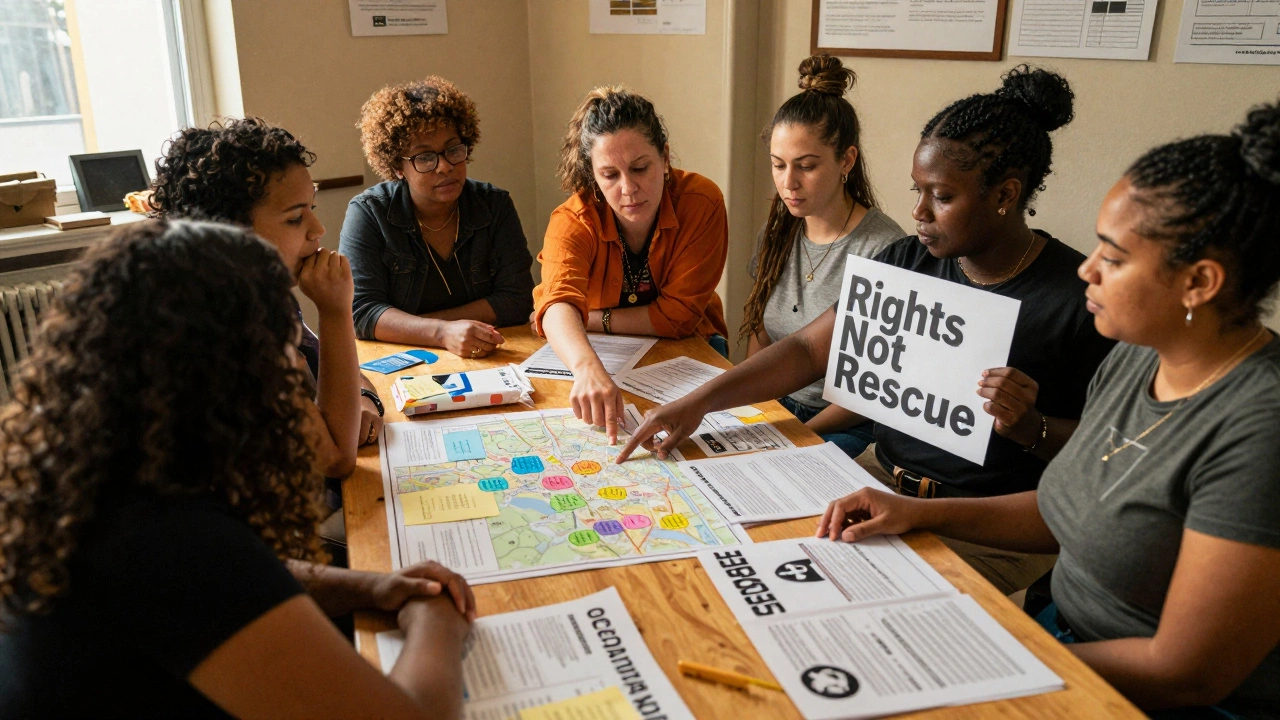
It’s not about pity. It’s about power. Sex workers don’t need saviors. They need rights.
How to Honor This Day
Don’t just post a candle on Instagram. Do something real.
- Donate to local sex worker-led organizations like SWOP Behind Bars or the Red Umbrella Fund.
- Call your city councilor and demand an end to police raids on street-based workers.
- Challenge friends who say "all sex work is exploitation" - ask them what they’d do if they had no income, no housing, and no safety net.
- Amplify the voices of current and former sex workers. Read their memoirs. Watch their documentaries. Listen when they speak.
And if you’re someone who’s paid for sex - think about this: the person you paid might have been scared, hungry, or desperate. They didn’t owe you anything. You owed them respect.
They Were More Than Their Work
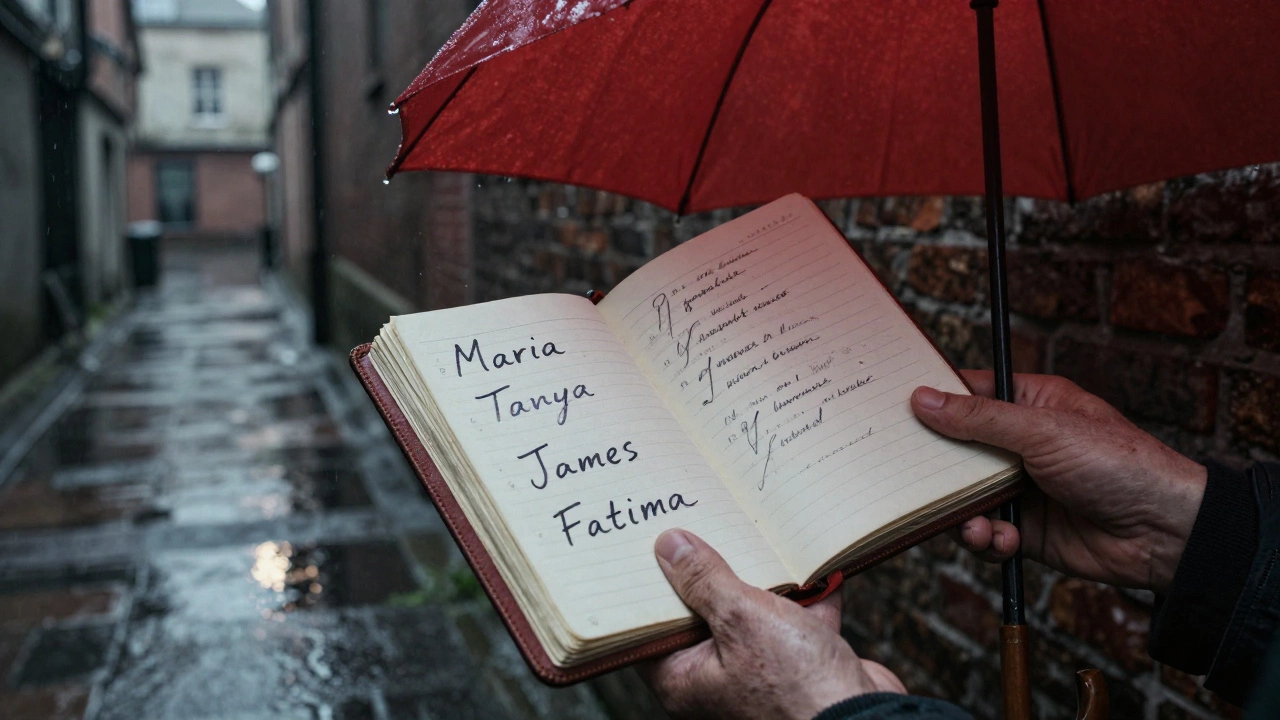
On December 17, names are read aloud at vigils across the world. Maria. Tanya. James. Fatima. Carlos. Each name carries a life. A dream. A family. A story.
One woman in Manila worked as a street-based sex worker for 22 years. She saved enough to buy a small house. She sent her daughter to college. She never asked for pity. She asked for the right to be safe. She was killed in 2020, after a client stabbed her and left her in a drainage ditch. No one was charged.
Another man in Berlin, who worked as a male escort for over 15 years, started a peer support group. He helped 87 people escape trafficking. He died of cancer in 2023. His group still meets every week.
These aren’t statistics. They’re people. And they deserve to be remembered - not as victims, but as survivors who fought for dignity in a world that refused to see them as human.
So this year, when you hear someone say "prostitution is a choice," ask them: what choice would you have if you were sleeping in your car, your child was sick, and every door you knocked on slammed shut? Would you still call it a choice then?
Or would you finally understand - this isn’t about morality. It’s about survival.
And if you want to know what it looks like when survival turns into exploitation - look no further than the ads that promise a hook up dubai experience. Behind those words are people who don’t have a choice.